GTA VI and the 'code-in-a-box': the physical game that is no longer owned
The physical edition of GTA VI could be just a box with a code. CJEU doctrine on used software shows the limits of the format.
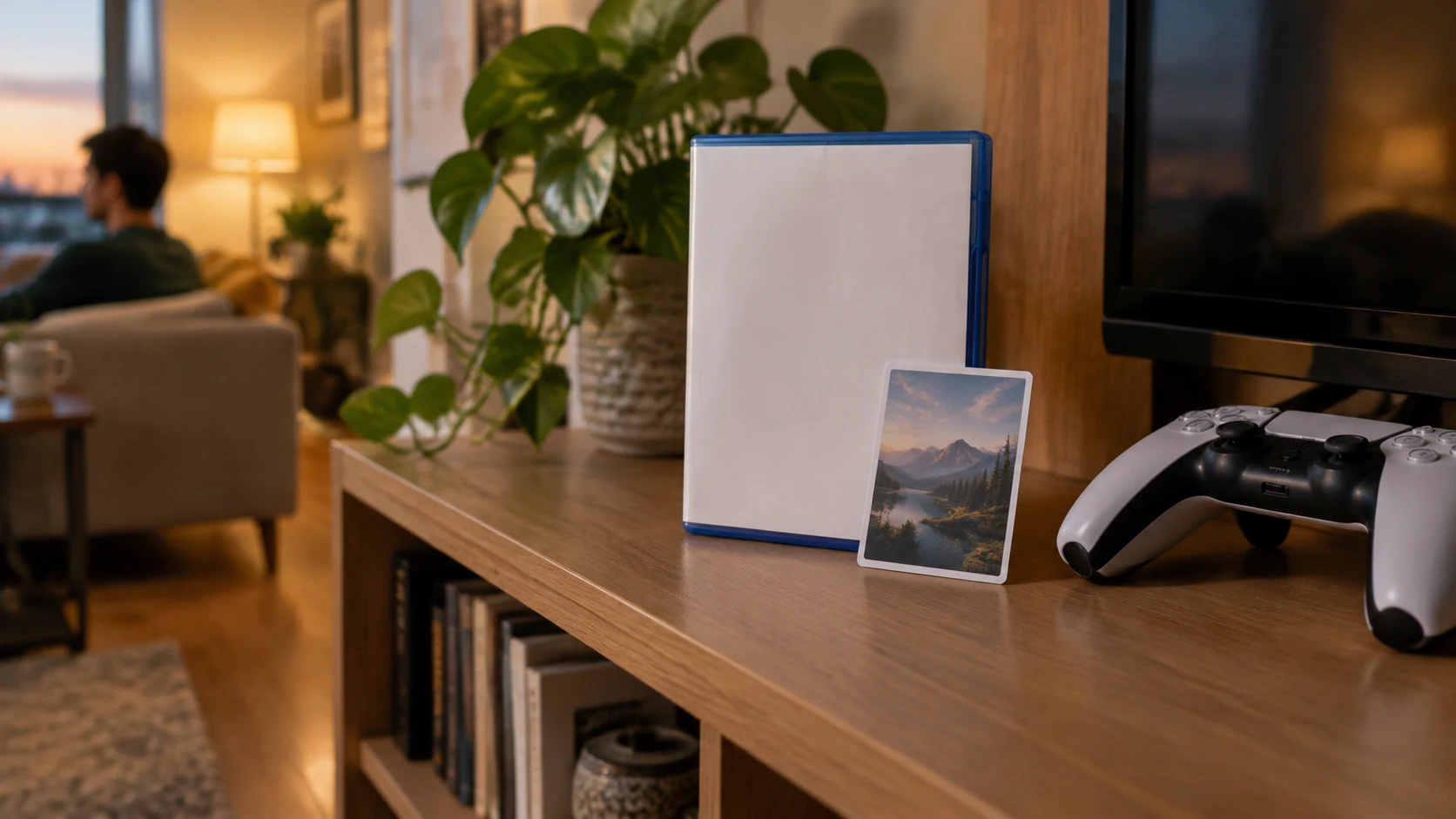
The physical edition sells out, full price is paid and inside the box there is no disc: only a download code printed on a card. The rumour that GTA VI could reach shops this way has reopened the debate on what buying a video game actually means. And it is a debate with case law: the CJEU already ruled on the resale of used software in UsedSoft (C-128/11, 3 July 2012) and on the limits of private copying in Nintendo (C-355/12), as the Economist & Jurist analysis recalls.
What the CJEU already settled
In UsedSoft, the Court of Justice held that the distribution of software — including downloads — can exhaust the right holder's distribution right if the copy is transferred in perpetuity against a price, opening the door to a market for used licences. The doctrine, however, has been applied cautiously to the video-game sector, where end-user licence agreements usually prohibit transfer and platforms control the account, not just the medium.
The code-in-a-box takes that tension to the extreme: the consumer acquires a physical object that does not contain the game. The medium — the thing that traditionally anchored ownership — is reduced to a delivery vehicle for a revocable, practically non-transferable licence dependent on servers. If the platform shuts down, the box becomes literally empty. The physical collection, the format's historic commercial argument, stops being a collection of anything.
The core of the debate: permanent access or disguised rental
The code-in-a-box discussion is the domestic version of a larger problem: the transition from ownership to access. Music, film, productivity software and now video games are consumed under licences the provider can modify or withdraw. The Digital Content Directive requires clear information on licence conditions, and the practice of selling a physical box that only contains a code strains precisely that transparency obligation: the packaging promises an object and delivers a password.
The paradox is that the physical format survives commercially because collecting exists, but the code-in-a-box empties it of content: there is no disc to keep, lend or resell. If GTA VI confirms the format, the debate over digital ownership will stop being a minority affair and become a conversation of millions of consumers. And there, the UsedSoft doctrine will be back on the table.
Property, licence and consumer expectation
The discussion is not purely technical. The consumer paying 70 or 80 euros for a physical edition has an expectation of permanence — being able to lend it, resell it, play it in twenty years — that EU law partially protects through digital-content and unfair-practices rules. A box that conceals the absence of the medium can border on a misleading practice if the labelling is not clear. And the second-hand market, sustained for decades on the exhaustion of rights, evaporates when there is no medium to resell. The conversation connects with wider debates in digital law, from the state of the AI governance act after the dissolution of Parliament to data governance in the digital society.
The industry has its reasons: logistics costs, the fight against piracy, day-one patches that make the disc insufficient. But the answer of European courts to the property-versus-licence dilemma will keep arriving, and GTA VI — the most anticipated launch of the decade — would be a luxury setting to raise it.
Source: Economist & Jurist, verified 3 November 2026. Opinion based on public sources; the final configuration of GTA VI's physical edition has not been officially confirmed.
Related links
Fuentes
- economistjurist.es. Accessed 3 November 2026.
The specific data in this article come from the official sources cited.