Per diems and mileage for the self-employed lawyer: what is deductible in 2026 and within what limits
Travel for hearings and clients can be deducted if the requirements are met: form, limits and documentary proof.
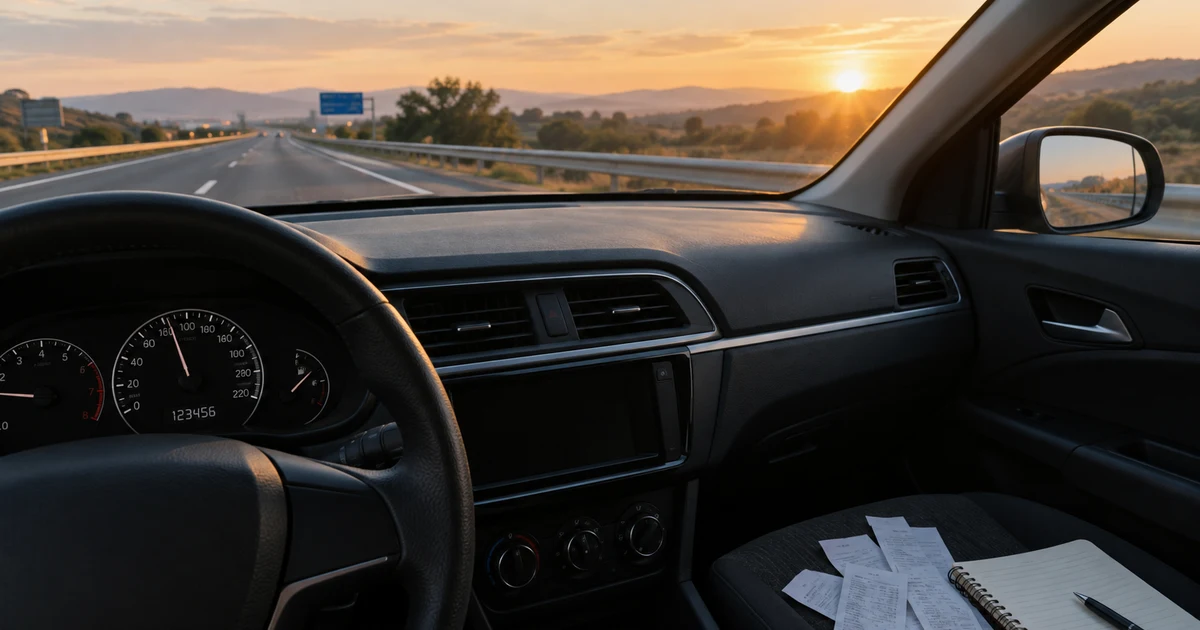
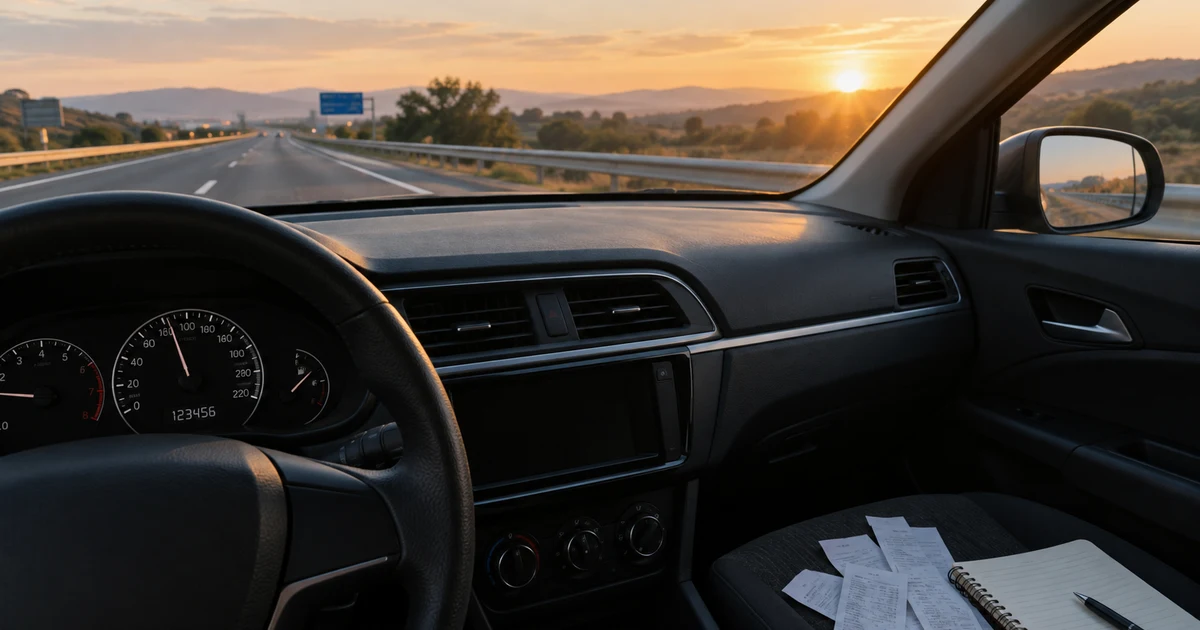
A hearing in another city, a client outside the province, a registry at the far end of the region: the self-employed lawyer travels, and that travel has a tax treatment. The problem is that per diems are one of the chapters where the Spanish tax agency raises the most checks, almost always for formal errors rather than substantive ones. It is worth reviewing what can be deducted under direct estimation and on what conditions.
Subsistence: the limits set by the tax office
The Personal Income Tax Act allows a taxpayer under direct estimation to deduct the professional's own subsistence expenses on business trips, referring to the same quantitative limits that apply to exempt per diems for employees. According to the tax agency's table, subsistence in Spain is recognised up to 26.67 euros per day without an overnight stay and up to 53.34 euros per day with one; abroad, the limits rise to 48.08 and 91.35 euros respectively. Accommodation is a different matter: the legal reference covers only subsistence, so lodging is deducted like any other business expense - justified amount and correlation with income - without the 91.35-euro daily cap that applies to employees' per diems.
Two formal conditions are the most frequently breached. First: the expense must be incurred at hospitality and catering establishments; a supermarket purchase does not count. Second: it must be paid by electronic means - card, transfer, cheque; cash disqualifies the deduction even where an invoice exists. And as always, the trip must be linked to the activity: the filing at the destination court, the client meeting, the registry visit.
Mileage: do not confuse the self-employed rule with the employee rule
This is the most widespread mistake. The amount of 0.26 euros per kilometre - set by Order HFP/792/2023, which raised it from 0.19 euros - is the amount exempt from tax that a company may pay a travelling employee, plus justified tolls and parking. It is not, as is sometimes read, a rate the self-employed person can apply to themselves by multiplying kilometres.
The self-employed person under direct estimation deducts the actual vehicle expenses - fuel, maintenance, insurance, depreciation - provided the vehicle is allocated to the activity. And the allocation of a car under personal income tax is demanding: the general rule requires exclusive allocation, with the exceptions the regulation itself recognises for certain vehicles and uses. In practice, many lawyers choose not to allocate the car and instead deduct public transport - in full, with an invoice - or bill a mileage rate when providing services to a company, which is where the 0.26 euros per kilometre does operate as an exempt reference.
Three practices that avoid problems
First: keep the full invoice, not the till receipt, and pay by card; the correlation between bank statement and invoice is the first piece of evidence in a check. Second: document the reason for the trip - the court notification, the client's email, the booking - because the link to the activity is the basis of the deduction. Third: review the whole expenses chapter at the quarterly close, not at the annual return, when correcting is no longer possible.
The tax treatment of the vehicle has much more to it: we develop it in our guide on vehicle deductibility for the self-employed lawyer. For the general expenses framework, see our guide to simplified direct estimation, and for what you do pass on to the client, the analysis of disbursements on the lawyer's invoice and their VAT. Everything about running a one-person practice, in the lawyers and self-employed section.
Fuentes
- AEAT - Asignaciones para gastos de manutención y estancia (Manual IRPF). Accessed 26 October 2026.
- AEAT - Gastos de locomoción exceptuados de gravamen (Manual práctico IRPF 2025). Accessed 26 October 2026.
- AEAT - Gastos de manutención del propio contribuyente en estimación directa (Manual práctico IRPF 2025). Accessed 26 October 2026.
The specific data in this article come from the official sources cited.