Legatics integrates with Harvey's connector library and brings live deal status to its AI
The connector, built on the Legatics MCP server, lets users query real matter data from Harvey: parties, checklists, binders and data rooms. Two-way write access will come later.
Legatics, the transaction management platform used by law firms in several countries, has announced an integration with Harvey that brings the live context of a deal inside the AI tool. The announcement, dated October 13, 2026 in London and San Francisco, places Legatics in Harvey's connector library, chosen, both companies say, because of demand from firms already using the two platforms.
The logic is that a transactional AI needs something it normally has no access to: the live state of the deal. What is pending, who owes it, what has been signed and what changed this morning. That is the context that allows drafting, research and analysis with judgment, and it is what Legatics holds as the record of the transaction.
What the connector allows
The connector is built on the Legatics MCP server. A Harvey user can query real matter data that resides in Legatics: parties and facts of the deal, the status of checklists and trackers, binders and data room content. It works for a single deal or for many at once, so a lawyer can ask both where a deal stands and which of their matters need escalation this week. The answers come from Legatics as the source of truth, not from a static export.
Control stays on the firm's side. Access follows the user: Harvey only sees what that person can already see in Legatics. When an agent works on a matter, the same permission controls apply as to a person. Every access is logged in the matter's audit trail and administrators can disconnect the integration at any time. The connector is available to all Legatics customers at no additional cost.
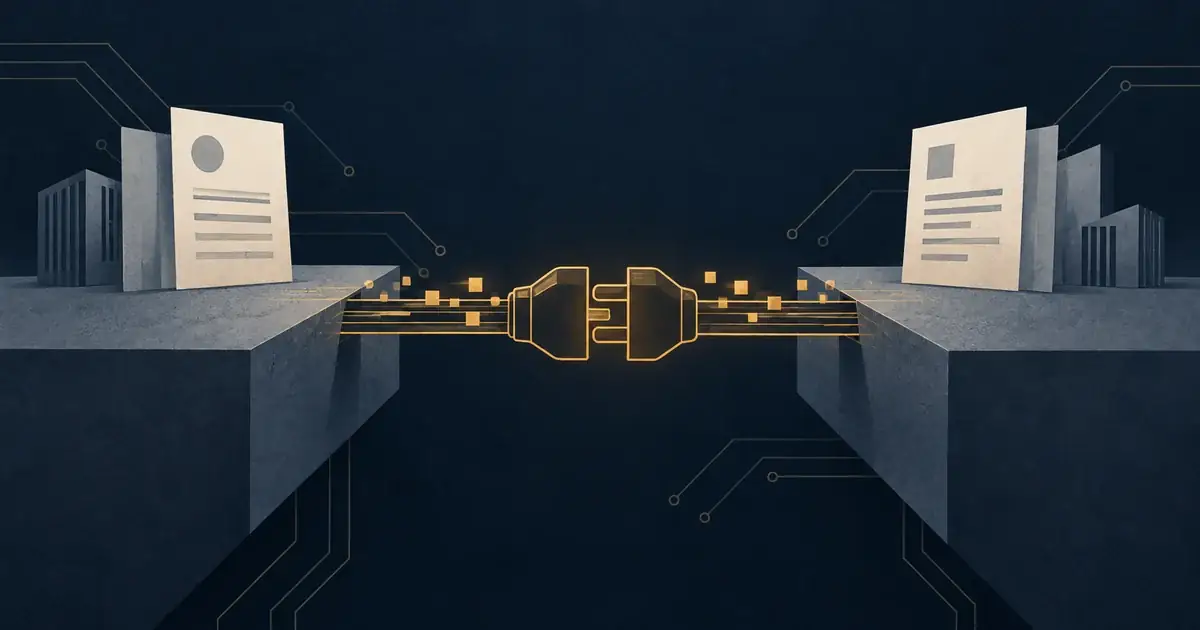
Anthony Seale, founder and chief executive of Legatics, sums it up with an image: Harvey is the brain of the deal and Legatics the body, and the lawyer needs the two connected. Rob MacAdam, head of Product and Strategy, adds that the partnership was born from shared customers and is the first step in a closer relationship between the two platforms.
What comes next: two-way writing
The two companies are already working on bringing write actions to the connector. That would turn the integration into a two-way channel: work done in Harvey would flow directly back into the live record of the deal. A lawyer could create a new matter or set up a closing checklist with a single prompt, or ask for the change of control clauses found in a package of contracts to move into a Legatics list with owners and next steps.
Fit with Harvey's strategy
The move fits with the launch, two days later, of Legal Work Orchestration, Harvey's layer for coordinating tasks, agents and reviews inside a matter. Connectors like Legatics's are the route by which those workflows receive real, up-to-date data. In the race to structure agent work, Legora and its Skills represent the alternative of codifying each team's know-how, while litigation software makers such as Opus 2 grow through acquisitions, like the recent Bundledocs deal.
This story is part of our legaltech startups and AI section, where we track launches, rounds and deals in the sector.
Sources and limits
The announcement, the connector's features and the quoted statements appear in Legatics's official press release of October 13, 2026. The two-way write features are an announced commitment, not yet available. No financial terms of the agreement between the two companies are on record.
Fuentes
- Legatics. Legatics joins Harvey's Connector Library, connecting Harvey's AI to the live deal. Accessed 19 October 2026.
The specific data in this article come from the official sources cited.